
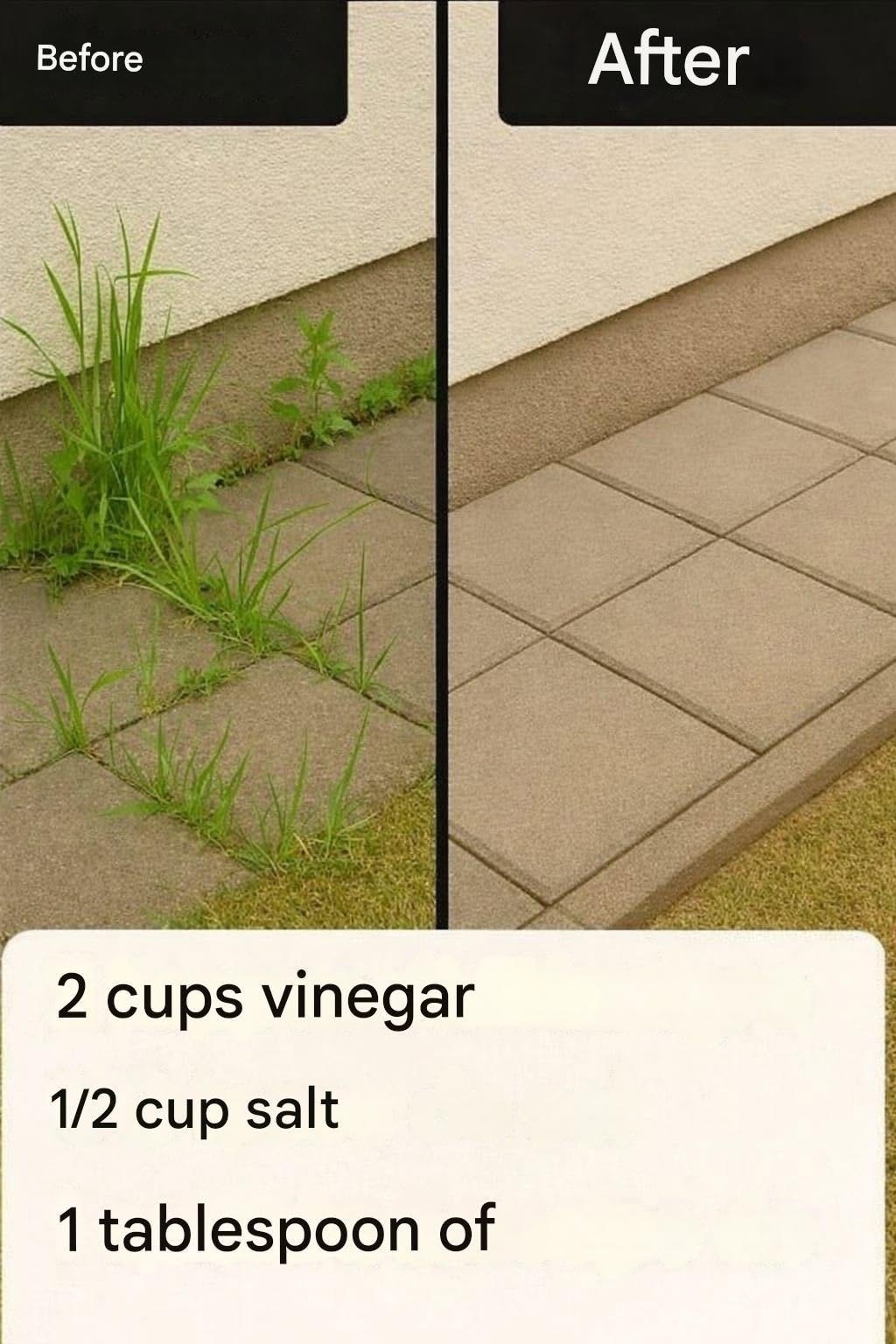
Weather: Apply on a sunny, dry, windless day. Heat and sunlight enhance effectiveness; wind causes drift.
Targeting: Spray young weeds (under 4 inches tall) thoroughly, ensuring all leaf surfaces are covered.
Precision: Use a cardboard shield or a small paintbrush for precise application near garden beds.
Timing: Apply in the morning so weeds dry fully in the sun. Avoid if rain is forecast within 24 hours.
Reapplication: May require 2–3 applications for stubborn weeds. Wait 3–5 days between treatments.
Pro tip: Apply when weeds are actively growing. Drought-stressed plants develop thicker cuticles that resist absorption.
Critical Safety & Environmental Considerations
Human & Pet Safety:
Wear gloves and eye protection. Vinegar, especially at higher concentrations, can irritate skin and eyes.
Keep children and pets away during application and until the area is completely dry.
Store the mixture clearly labeled and out of reach to prevent accidental ingestion or misuse.
Never mix this solution with bleach or ammonia, as it creates toxic chlorine or chloramine gas.
Environmental Impact & Mitigation:
Salt persistence: Avoid use in garden beds, near tree roots, or anywhere you plan to plant. Salt can inhibit growth for months.
Non-selective action: Apply precisely. Use shields or targeted brushes near desirable vegetation.
Runoff risk: Avoid applying before rain. Never use near ponds, streams, or storm drains.
Soil microbes: Limit use to hard surfaces. Avoid repeated applications in the same area.
Surface Compatibility:
Concrete/pavers: Low risk. Vinegar may slightly etch brand-new concrete. Test a small area first and rinse after 24 hours if concerned.
Natural stone (limestone, marble): High risk. Acid can etch or discolor. Avoid use; opt for mechanical removal.
Wood decks: Moderate risk. May discolor or dry out wood. Test first and avoid repeated applications.
Metal fixtures: Salt can accelerate corrosion. Rinse any overspray off metal surfaces promptly.
Pro tip: Near desirable plants, consider mechanical removal (hand-pulling, hoeing) or mulching instead of chemical solutions.
When to Use This Herbicide (And When to Choose Alternatives)
Ideal Scenarios:
For Complete Cooking STEPS Please Head On Over To Next Page Or Open button (>) and don’t forget to SHARE with your Facebook friends
ADVERTISEMENT
ADVERTISEMENT

