
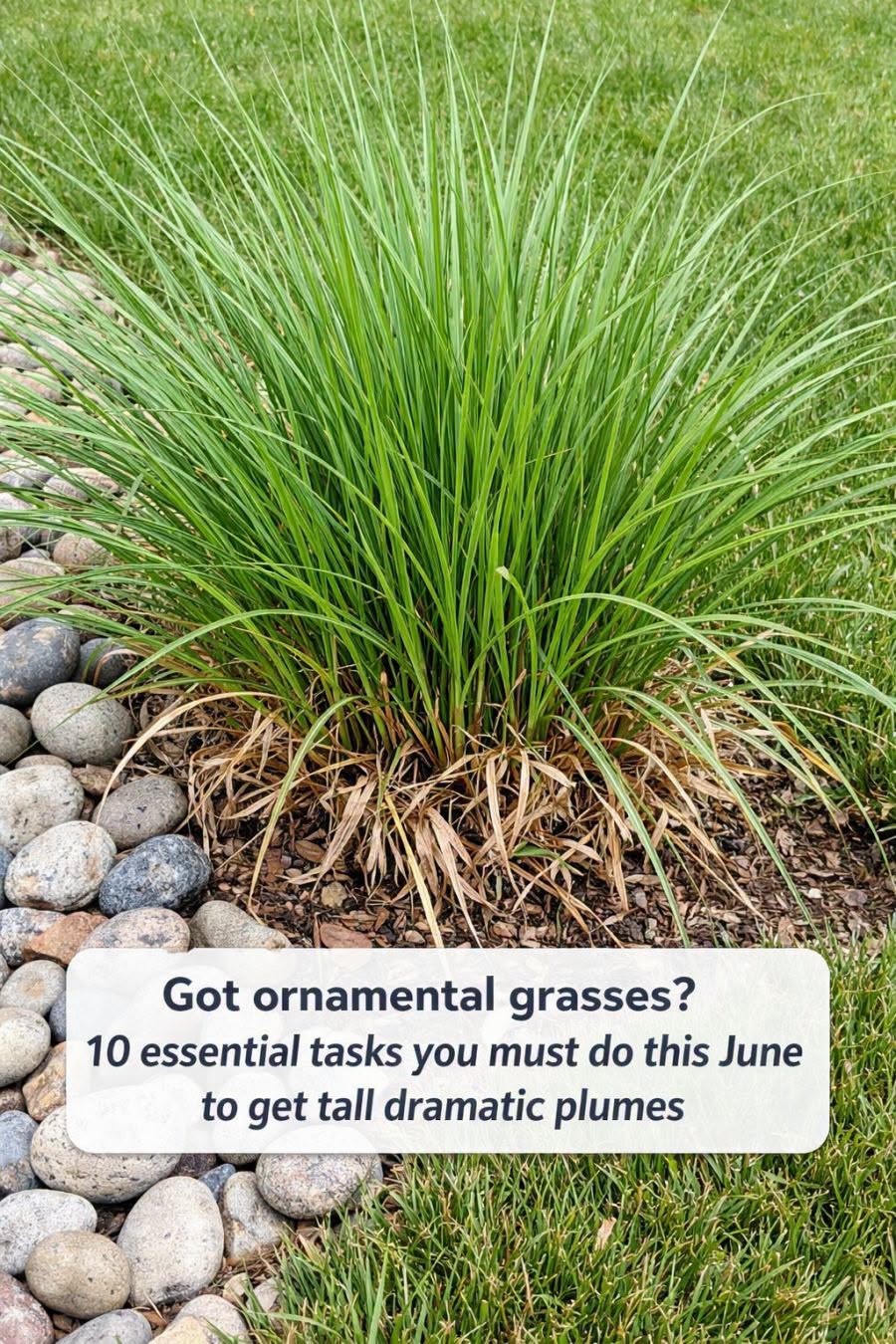
Ornamental grasses are a versatile and low-maintenance addition to any garden, bringing movement, texture, and architectural interest to the landscape. They are especially valued for their striking plumes that sway gently in the breeze, adding a dynamic element to garden design. However, to achieve those tall, dramatic plumes, there are specific tasks gardeners must undertake, particularly in June, as this is a critical growth period for these plants.
Whether you are growing Miscanthus, Pennisetum, or another variety, June is the time to focus on ensuring your ornamental grasses are healthy and ready to produce their best show later in the season. From pruning to feeding, watering to pest control, these ten essential tasks will help you nurture your grasses and enjoy their full, spectacular beauty.
1. Start With a Hard Rejuvenation Cut to Wake Up New Growth
A hard rejuvenation cut involves trimming back the foliage to about 6 to 12 inches from the ground. This may seem drastic, but it encourages the plant to produce new, vigorous growth. This is particularly important if your ornamental grass appears sparse or lackluster after winter. Be sure to use sharp, clean shears to avoid damaging the plant. This cut should be done early in the month to allow new blades to emerge and flourish before the peak summer heat.
2. Feed With the Right Fertilizer for Taller, Fuller Plumes
Feeding your ornamental grasses with the right fertilizer can significantly impact their growth and plume production. Use a balanced, slow-release fertilizer with equal parts nitrogen, phosphorus, and potassium (such as a 10-10-10 formula) to provide the nutrients needed for robust growth. Apply the fertilizer at the base of the plant, following the package instructions for quantity based on the size of the clump. This should be done at the start of June to support the growth spurt during this active period.
3. Divide Overgrown Clumps So Plumes Don’t Fizzle Out
If your ornamental grasses have been in place for more than three years, they may benefit from division. Over time, clumps can become crowded, leading to decreased vigor and fewer plumes. To divide, dig up the entire clump and use a sharp spade to slice it into sections. Each section should have a healthy portion of roots and shoots. Replant these divisions at the same depth they were growing before, spacing them adequately to allow for air circulation and growth.
4. Water Deeply and Consistently to Fuel Flowering Stalks
Ornamental grasses require consistent moisture to produce their best plumes. Water deeply once or twice a week, ensuring the soil is moist to a depth of at least 6 inches. This encourages deep root growth and provides the hydration needed to support flowering stalks. Inadequate watering can lead to stunted growth and weak plumes, so adjust your watering schedule based on rainfall and temperature.
5. Strip Out Dead Foliage and Seedheads to Refocus Energy
Remove any dead or damaged foliage and spent seedheads from your ornamental grasses to redirect the plant’s energy towards new growth. This can be done by hand or with pruning shears, being careful not to damage new shoots. Removing this debris not only tidies the plant’s appearance but also helps prevent disease and pest infestations.
6. Stake or Tie Up Floppy Clumps Before They Collapse
Some tall ornamental grasses may flop over, especially after heavy rain or strong winds. To prevent this, stake or tie up the clumps early in the season. Use garden twine or soft ties to loosely secure the grass to a stake driven into the ground. This support not only maintains the plant’s upright form but also reduces the risk of damage to the stems and plumes.
7. Tackle Weeds and Competing Plants Around the Root Zone
Weeds and competing plants can rob your ornamental grasses of essential nutrients and moisture. Regularly check the area around the base of your grasses and remove any weeds by hand to avoid disturbing the root zone. Applying a pre-emergent herbicide in early spring can also help minimize weed growth throughout the season.
8. Refresh Mulch Without Smothering the Crowns
Adding a layer of mulch around your ornamental grasses helps conserve moisture, suppress weeds, and regulate soil temperature. However, be cautious not to pile mulch against the plant’s crown, as this can lead to rot. Apply a 2 to 3-inch layer of organic mulch like shredded bark or wood chips, starting a few inches away from the base of the plant.
9. Groom and Comb Through Blades for Clean, Airy Growth
As new growth emerges, groom your ornamental grasses by running your fingers through the blades to remove any dead or tangled foliage. This not only improves the plant’s appearance but also increases air circulation, reducing the likelihood of fungal diseases. Consider using a garden comb or rake for larger clumps to gently tease out dead material.
10. Check for Pests, Disease, and Wind Damage Before Plumes Form
Regularly inspect your ornamental grasses for signs of pests such as aphids or spider mites, and treat infestations promptly with insecticidal soap or neem oil. Also, check for signs of disease like rust or leaf spot, which may require fungicidal treatment. Finally, assess your plants for wind damage and trim any broken stems to prevent further injury. Taking these steps in June ensures your grasses remain healthy and poised for a spectacular plume display.
ADVERTISEMENT

