
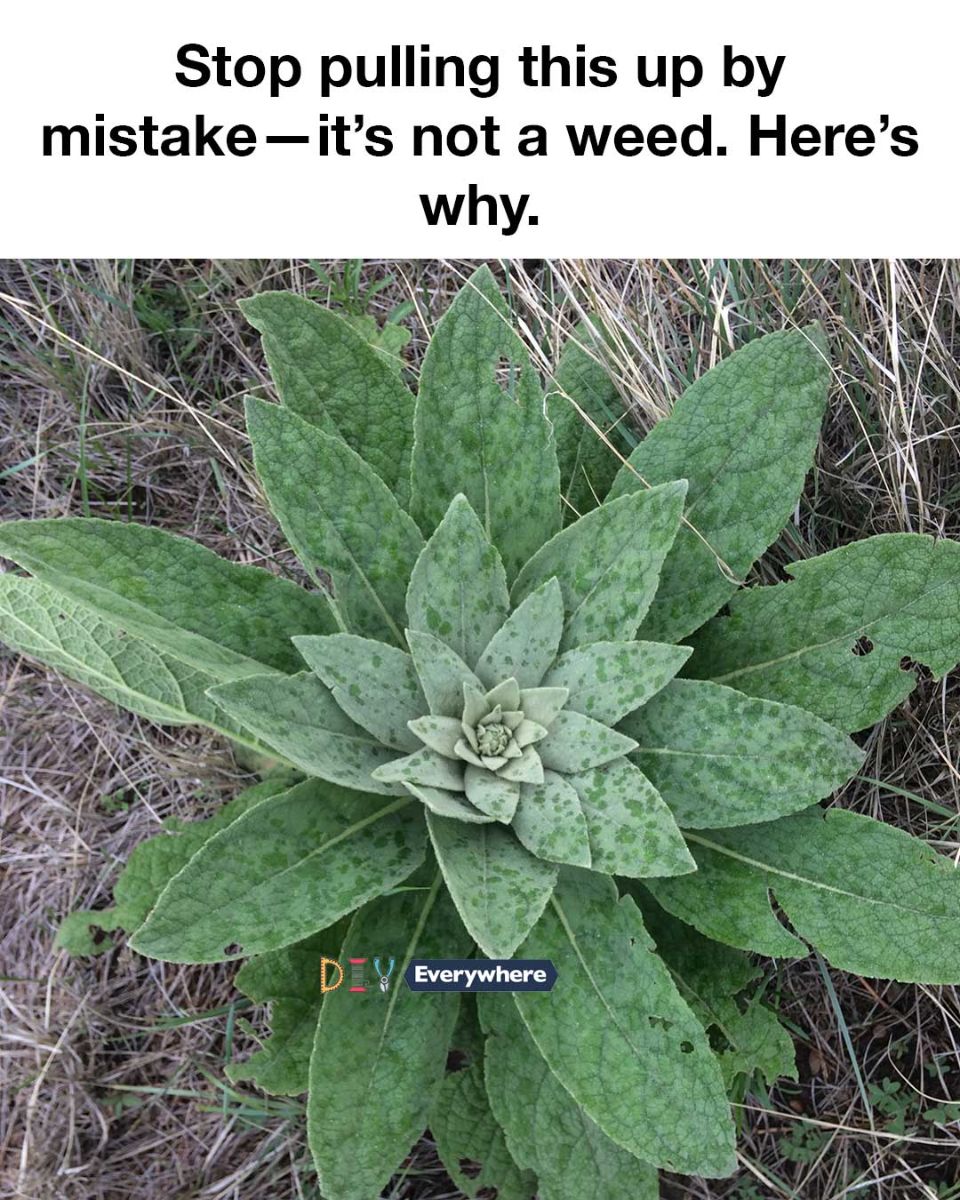
6. Common Mistakes: Mullein vs. Weeds
One of the most common mistakes gardeners make is confusing mullein with common weeds. The plant’s large, fuzzy leaves can resemble those of other invasive species, leading to its unintentional removal. However, mullein’s unique growth pattern and tall flowering stalk set it apart from typical weeds.
To avoid this mistake, familiarize yourself with the characteristics of mullein and take note of its growth stages. By recognizing mullein’s distinctive features, you can ensure that this beneficial plant remains a part of your garden ecosystem.
7. Environmental Benefits of Mullein
Mullein offers several environmental benefits that make it a valuable addition to any garden. Its deep taproot helps to break up compacted soil, improving drainage and aeration. This can be particularly beneficial in areas with poor soil quality, as mullein can help to restore and rejuvenate the land.
Additionally, mullein provides habitat and food for various pollinators, including bees and butterflies. The plant’s flowers are rich in nectar, attracting these beneficial insects and supporting biodiversity in your garden. By cultivating mullein, you contribute to a healthier and more balanced ecosystem.
8. Mullein as a Natural Remedy for Respiratory Issues
Mullein’s reputation as a natural remedy for respiratory issues is well-deserved. The plant’s leaves and flowers contain compounds that help to soothe and heal the respiratory tract. Mullein tea, made by steeping the dried leaves and flowers in hot water, is a popular remedy for coughs, colds, and bronchitis.
For those with asthma, mullein can provide relief by reducing inflammation and opening the airways. The plant’s expectorant properties help to clear mucus from the lungs, making it easier to breathe. These benefits make mullein a valuable ally for anyone seeking natural solutions to respiratory problems.
9. The Role of Mullein in Biodiversity
Mullein plays an important role in promoting biodiversity within garden ecosystems. Its flowers attract a variety of pollinators, including bees, butterflies, and moths, which are essential for the pollination of many other plants. By providing a food source for these insects, mullein helps to support a diverse and thriving garden environment.
In addition to attracting pollinators, mullein also serves as a host plant for certain species of moths and butterflies. The caterpillars of these insects feed on mullein leaves, contributing to the plant’s role in the food web. By cultivating mullein, gardeners can enhance the biodiversity of their outdoor spaces and support local wildlife.
10. Tips for Cultivating Mullein
Cultivating mullein in your garden is relatively easy, thanks to its hardy nature and low maintenance requirements. The plant prefers full sun and well-drained soil, but it can tolerate a range of conditions, including poor and rocky soils. To propagate mullein, sow seeds directly in the garden in late spring or early summer.
Once established, mullein requires little care. Water the plant sparingly, as it is drought-tolerant and does not thrive in overly wet conditions. Deadhead spent flowers to encourage further blooming and prevent self-seeding if you wish to control its spread. With these simple tips, you can enjoy the many benefits of mullein in your garden.
11. Popular Mullein Hacks and Uses
Mullein is a versatile plant with a variety of uses beyond its medicinal properties. One popular hack is to use mullein leaves as a natural fire starter. The dried leaves catch fire easily and burn steadily, making them ideal for camping trips or backyard fire pits.
Another creative use for mullein is as a natural dye. The plant’s flowers can be used to produce a yellow dye, while the leaves yield a greenish hue. These natural dyes can be used for coloring fabrics, yarns, or even Easter eggs. By exploring these and other mullein hacks, you can discover new ways to incorporate this remarkable plant into your daily life.
ADVERTISEMENT
