
A subtle taste in addition
Contrary to popular belief, pasta water doesn’t just add texture. It also contains salt and a slight flavor that enhances the dish. It’s like that final seasoning that changes the result without any extra effort.
The thing to avoid: rinsing your pasta
Many people rinse their pasta after cooking to prevent it from sticking. Bad idea! That thin film of starch that remains on the pasta surface is precisely what allows the sauce to adhere. By rinsing, you remove all of that culinary potential. The result: your sauces slide off instead of coating your pasta like in Italian trattorias.
What if you eat gluten-free?
Good news: even pasta made from rice, lentils, or chickpeas releases starch. Sure, the texture of the water will be slightly different, but it will still have the power to add body and consistency to sauces. In short, there’s no excuse not to use it.
How to Recover and Use Pasta Cooking Water
The technique is very simple:
Ladle method: Set aside one or two ladles of water before draining your pasta.
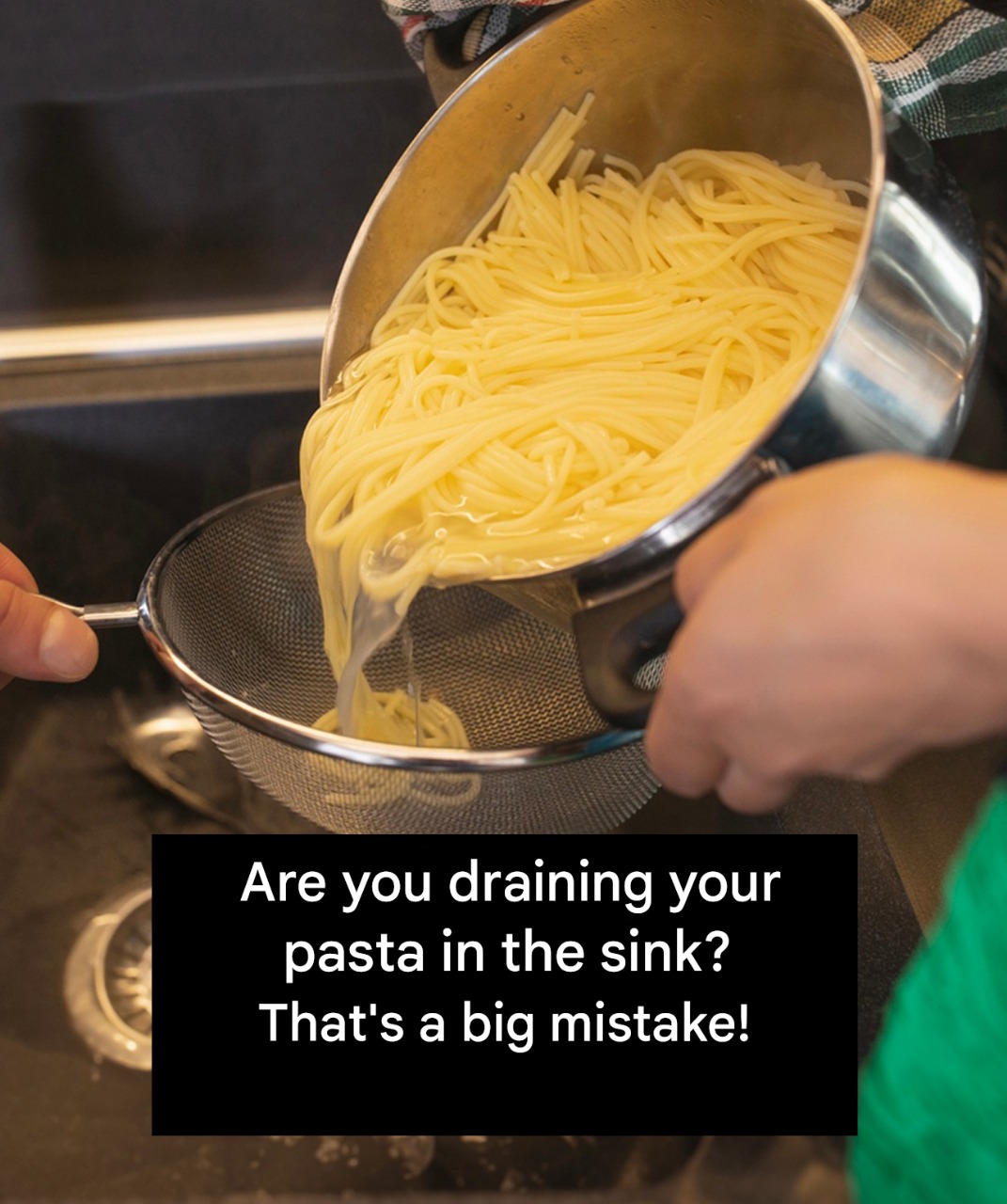
Salad bowl tip: Place a bowl under the colander to collect the liquid directly.
Transfer with tongs: For spaghetti or linguine, remove them from the pan with tongs; the water remains at the bottom.
The spider strainer: ideal for short pasta, it allows you to remove it while leaving the water intact.
Then, add the water little by little to your sauce, until you obtain the desired creamy texture.
ADVERTISEMENT
