
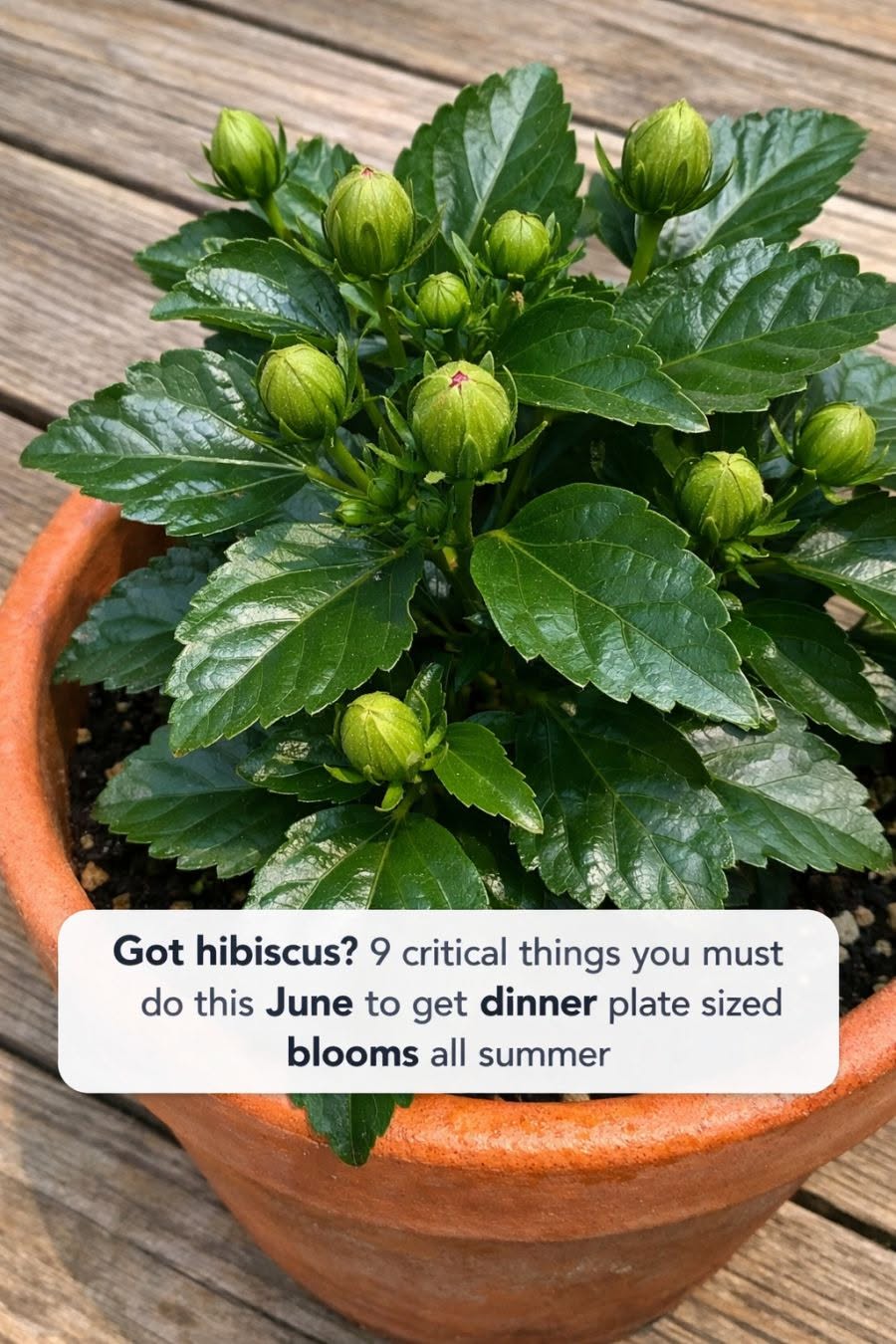
5. Feed on a June Schedule That Pushes Flowers, Not Just Foliage
Feeding hibiscus plants during June is essential for flower production. Use a high-potassium fertilizer, as potassium is key for promoting blooms. Look for formulations labeled as bloom boosters, which typically have a higher potassium content compared to nitrogen and phosphorus.
Apply the fertilizer every two weeks, following the manufacturer’s guidelines. Be cautious not to over-fertilize, as excessive nutrients can lead to lush foliage at the expense of flowers. By prioritizing a feeding schedule focused on bloom production, you will encourage your hibiscus to produce the impressive, dinner plate-sized flowers you desire.
6. Use Smart Mulching to Lock In Moisture and Prevent June Shock
Mulching around your hibiscus plants is a smart strategy to conserve moisture and regulate soil temperature. Apply a 2 to 3-inch layer of organic mulch, such as shredded bark or straw, around the base of the plant, taking care to keep it a few inches away from the stem to prevent rot.
This mulch layer will help retain soil moisture, reducing the need for frequent watering and protecting the roots from temperature fluctuations. Additionally, as the mulch breaks down, it will add nutrients to the soil, further benefiting your hibiscus plants. By mitigating moisture loss and temperature extremes, you can prevent the June shock that can impede flower production.
7. Nip Pests and Diseases Early Before They Steal Your Summer Blooms
Vigilance is key when it comes to protecting hibiscus plants from pests and diseases. Common pests include aphids, spider mites, and whiteflies, which can damage foliage and flowers. Regularly inspect your plants for signs of infestation, such as discolored leaves or sticky residue.
Upon detection, use organic insecticidal soap or neem oil to treat affected plants. These options are effective yet gentle on the plant and the environment. For diseases like powdery mildew or fungal infections, ensure proper air circulation and avoid overhead watering to minimize the risk. Early intervention is critical to prevent pests and diseases from compromising your hibiscus blooms.
8. Deadhead and Groom Constantly to Trigger Continuous Flowering
Deadheading, or the removal of spent flowers, is a crucial practice to encourage continuous blooming in hibiscus plants. As soon as a flower fades, use clean scissors or pruning shears to snip it off just above the first set of healthy leaves.
This practice prevents the plant from diverting energy into seed production and instead redirects it towards producing more flowers. Additionally, regularly grooming your hibiscus by removing yellowing leaves and any debris will improve the plant’s overall health and appearance, further promoting an abundant flowering cycle throughout the summer.
9. Pot, Repot, or Relocate Now If Your Hibiscus Are Cramped or Struggling
If your hibiscus plants appear to be struggling, it might be time to consider repotting or relocating them. Check for signs of root binding, such as roots growing through the drainage holes or circling the pot’s surface. If repotting, choose a container that is one size larger, using fresh potting mix to provide new nutrients.
For hibiscus planted in the ground, evaluate their location. If they are not receiving adequate sunlight or are competing with other plants for nutrients, consider relocating them to a more suitable spot. Transplanting should be done early in June to allow the plants time to establish before the peak of summer heat. Proper spacing and positioning can significantly impact their ability to produce those spectacular blooms.
ADVERTISEMENT

