
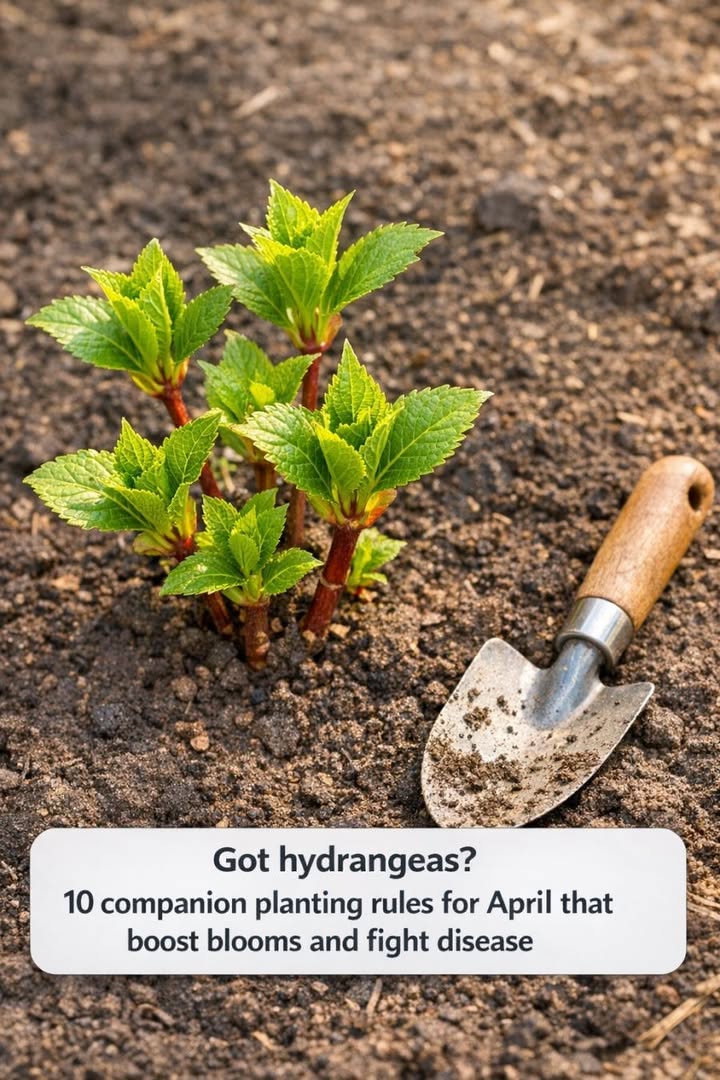
Hydrangeas are among the most beloved flowering shrubs, known for their large, vibrant blooms and lush foliage. However, to truly maximize their potential and keep them healthy, it’s essential to consider companion planting. This practice involves strategically placing certain plants near your hydrangeas to enhance their growth, boost blooms, and fend off diseases.
April is a pivotal month for setting the stage for a successful growing season. As the weather warms and the risk of frost diminishes, it’s the perfect time to consider which plants will best complement your hydrangeas. By following these ten companion planting rules, you can create a thriving garden ecosystem that supports robust hydrangea growth and dazzling displays.
1. Start With The Right April Neighbors To Supercharge Hydrangea Blooms
Choosing the right neighbors for your hydrangeas in April can significantly impact their blooming potential. Consider planting spring bulbs like daffodils or tulips around your hydrangeas. These bulbs will finish their bloom cycle before the hydrangeas hit their stride, ensuring they don’t compete for nutrients or sunlight. Planting them at least 6 inches away from the hydrangea base allows both to thrive.
Additionally, early-blooming perennials such as hellebores can provide early season interest and help to cover the bare base of hydrangeas, creating a seamless transition into the lush summer growth.
2. Pair With Nitrogen-Fixers To Gently Feed Hydrangeas All Season
Hydrangeas benefit from the naturally occurring nitrogen that certain plants add to the soil. Consider interplanting with legumes, such as clover or sweet peas. These plants fix atmospheric nitrogen into the soil, providing a gentle, organic feed for your hydrangeas throughout the growing season without the risk of over-fertilization.
Plant clover as a ground cover around the base of your hydrangeas. This not only enriches the soil but also helps in weed suppression and moisture retention, creating a more hospitable environment for your hydrangeas.
3. Use Aromatic Herbs As A Living Shield Against Pests And Disease
Aromatic herbs such as lavender, sage, and rosemary can act as natural repellents against common pests that might harm your hydrangeas. These herbs release fragrances that deter pests such as aphids and spider mites while also having antifungal properties that can help reduce the risk of diseases like powdery mildew.
Position these herbs at the perimeter of your hydrangea beds. Not only do they serve as a protective barrier, but they also add aesthetic value and can be harvested for culinary use. Ensure that these herbs receive full sun, which might require planting them on the sunniest side of the hydrangea bed.
4. Plant Pollinator Magnets Nearby To Boost Flower Power
Encourage a healthy ecosystem by including plants that attract pollinators such as bees and butterflies. Plants like echinacea, bee balm, and salvia are excellent choices. These pollinator-friendly plants attract beneficial insects that can enhance the blooming performance of your hydrangeas.
Space these plants about 12-18 inches away from your hydrangeas to give both room to grow while ensuring that pollinators have easy access to both the companions and the hydrangeas. The increased activity can promote better pollination and stronger flower production.
For Complete Cooking STEPS Please Head On Over To Next Page Or Open button (>) and don’t forget to SHARE with your Facebook friends
ADVERTISEMENT

